

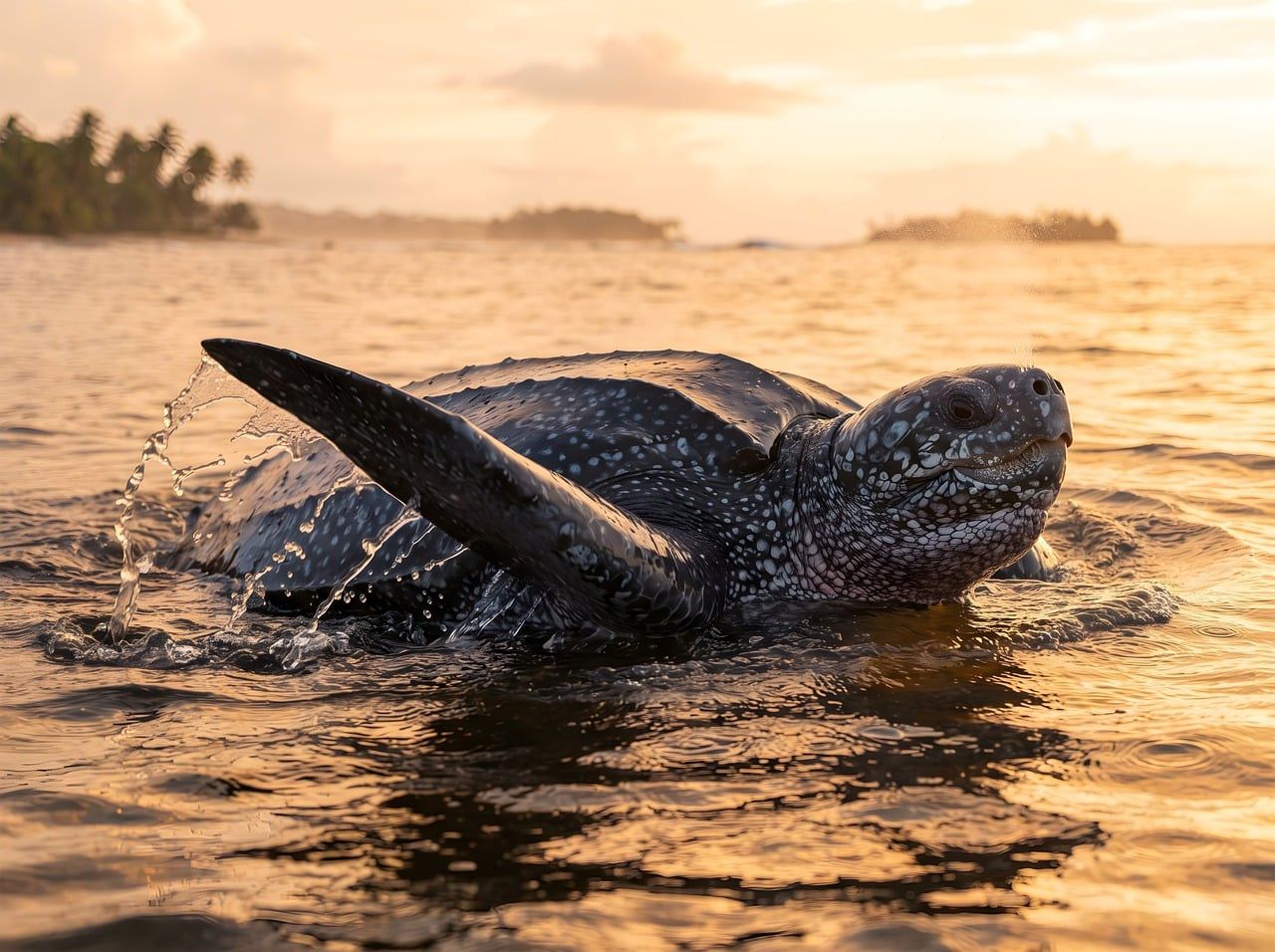
Eastern Pacific leatherback turtles, the largest sea turtles on Earth, laid an unprecedented number of nests on beaches in Ecuador in the 2025-2026 season. Those beaches are more than 1,000 miles south of their usual nesting grounds in Mexico and Costa Rica. The findings come from a study in Chelonian Conservation and Biology, with Juan José Alava of Simon Fraser University as a leading co-author.
Why are leatherback turtles moving south?
The researchers reviewed more than 45 years of records from Ecuador’s coast. Over the past decade, nesting rose during La Niña years. So changing ocean conditions may be pushing the turtles to new beaches. However, the team is careful not to claim a single cause yet.
Are the new nests healthy?
Yes, so far. The number of eggs per nest and the share that hatched were similar to the traditional northern sites. One tracked female, nicknamed Bella, nested four to five times in 2026. In total, 134 of her 146 eggs hatched, a success rate of 91.8%.
How endangered are they?
The eastern Pacific population has fallen by more than 90% since the 1980s. In fact, Alava warns that the subspecies is on track to disappear from the eastern Pacific within 60 years. That is why any new nesting area matters so much.
“They are making their way alongside nature against all odds.” Juan José Alava, Simon Fraser University
What happens next?
- Protecting the new Ecuadorian beaches from development and egg poaching.
- Reducing bycatch, when turtles are caught by accident in fishing gear.
- Tracking more females to understand where they travel.
Our take
This is a rare piece of hopeful wildlife news, but not a rescue. Leatherback turtles are adapting, and people can help by protecting the places they choose. For another ocean story of the week, read about the hidden extinction risk in the deep sea.

