

Chemists at Virginia Tech have found a way to turn PVC, one of the hardest plastics to recycle, into polyalphaolefin, a key ingredient in synthetic lubricants such as engine oil. The PVC recycling work, published in Nature, could give old pipes and window frames a valuable second life. The research was led by Guoliang “Greg” Liu, with partners at Texas A&M University and Caltech.
Why is PVC recycling so hard?
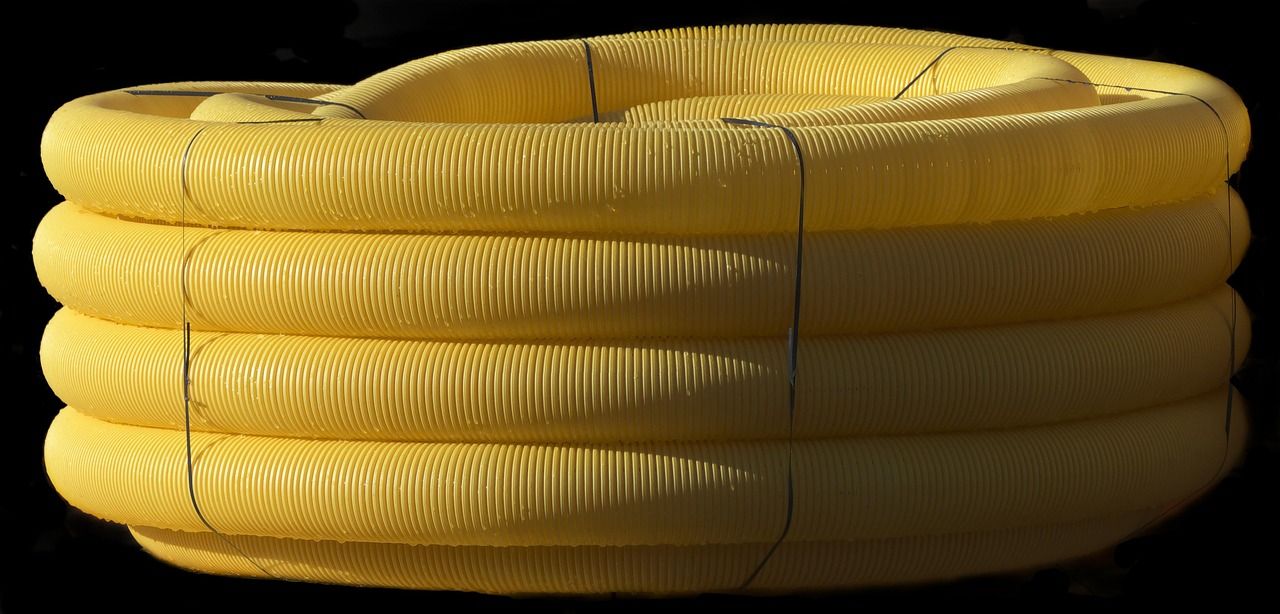
PVC is everywhere: plumbing pipes, window frames and even old credit cards. However, it contains a lot of chlorine, and makers add many other chemicals to it. As a result, most recycling methods struggle with it, and much of it ends up in landfill.
How the new process works
The team mixes PVC with a solvent, aluminium trichloride and compounds called alpha-olefins. Then it heats the mixture to 158°F (70°C) for three hours. The result is polyalphaolefin, the base of many high-performance oils. In short, a waste problem becomes a useful product.
“Lubricants are the silent hero out there.” Guoliang Liu, Virginia Tech
Does the oil actually work?
Ali Erdemir of Texas A&M tested the finished materials. Meanwhile, William Goddard of Caltech ran the chemical calculations, and Xi Chen of Virginia Tech modelled how production could scale up. So far, the results are promising in the lab.
What comes next for PVC recycling?
- Scaling the process from the lab to industrial volumes.
- Checking costs against oil made from fossil fuels.
- Dealing with the chlorine safely at large scale.
Our take
This is not a fix for plastic waste on its own, and scaling up is the real test. Still, PVC recycling that creates something valuable is exactly the kind of idea worth watching. For another clever materials story, see the pigment-free paint from Kobe University.

