

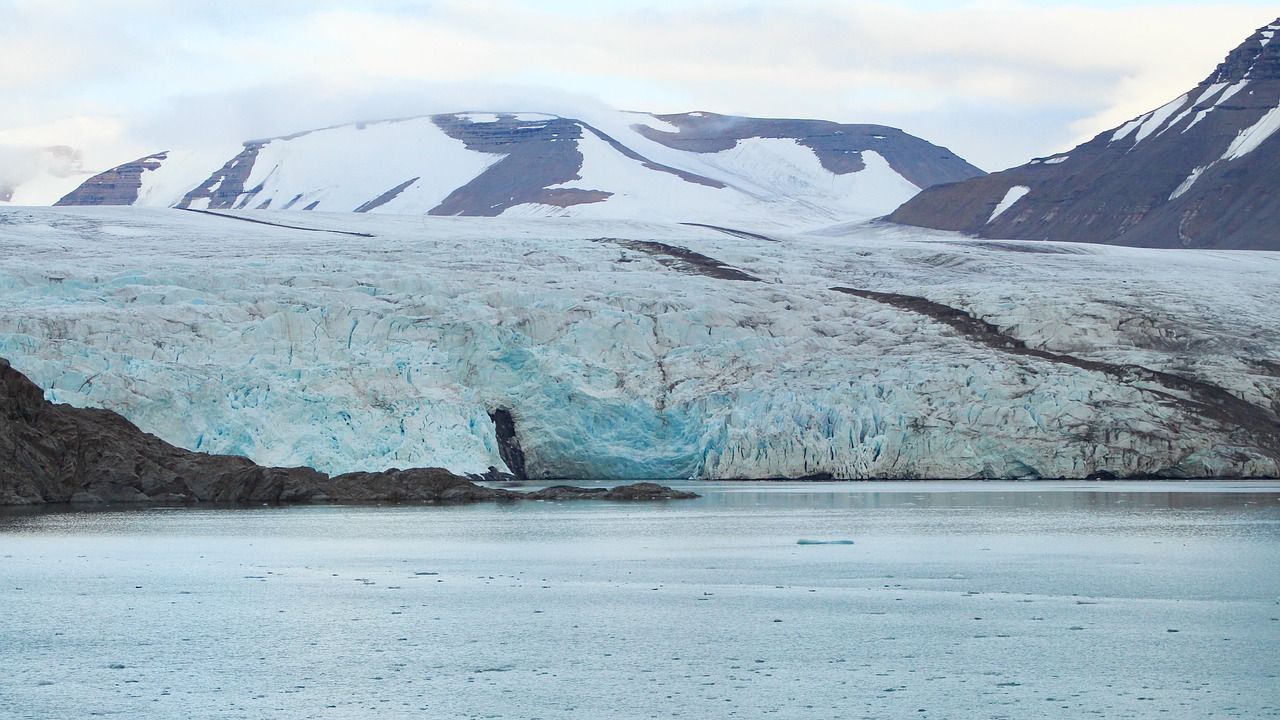
The next ice age may already have started about 2,000 years ago, according to a study in Science. The last remnant of North America’s great Laurentide ice sheet began to grow again, but rising summer temperatures reversed that growth by the 1960s. The research was led by Nicolás Young of the Lamont-Doherty Earth Observatory at Columbia Climate School.
What was the Laurentide ice sheet?
Between about 95,000 and 20,000 years ago, it covered much of Canada and the northern United States. At its largest, it reached as far south as Illinois. In some places the ice was more than two miles thick. Today, only small pieces remain, such as the Barnes Ice Cap on Baffin Island in Nunavut, which is roughly the size of Delaware.
How did the next ice age begin?
The ice sheet reached its smallest size about 3,000 years ago. Then, around 2,000 years ago, the remaining ice started to expand again. The authors argue that this regrowth marks the natural start of the next glacial period. However, it would have been very slow. Young estimates it would take roughly 30,000 years for the ice to regain continental size.
Why did it stop?
Rising summer temperatures reversed the growth by the 1960s, and the Barnes Ice Cap began retreating around 1960. Models now suggest the ice cap could disappear entirely within the next few centuries.
“What has been an extremely natural and predictable phenomenon is now gone.” Nicolás Young, Columbia Climate School
What it means
- Earth’s natural climate cycle was heading slowly towards colder conditions.
- Human-driven warming has interrupted that cycle, at least for now.
- Losing the last Laurentide ice also removes a record of past climate.
Our take
This is not a reason to welcome warming. A glacial period would arrive over tens of thousands of years, while today’s changes happen within a lifetime. Still, it is a striking sign of how far human activity reaches. For another story about Earth’s deep past, read about carbon that may be leaking from Earth’s core.

