

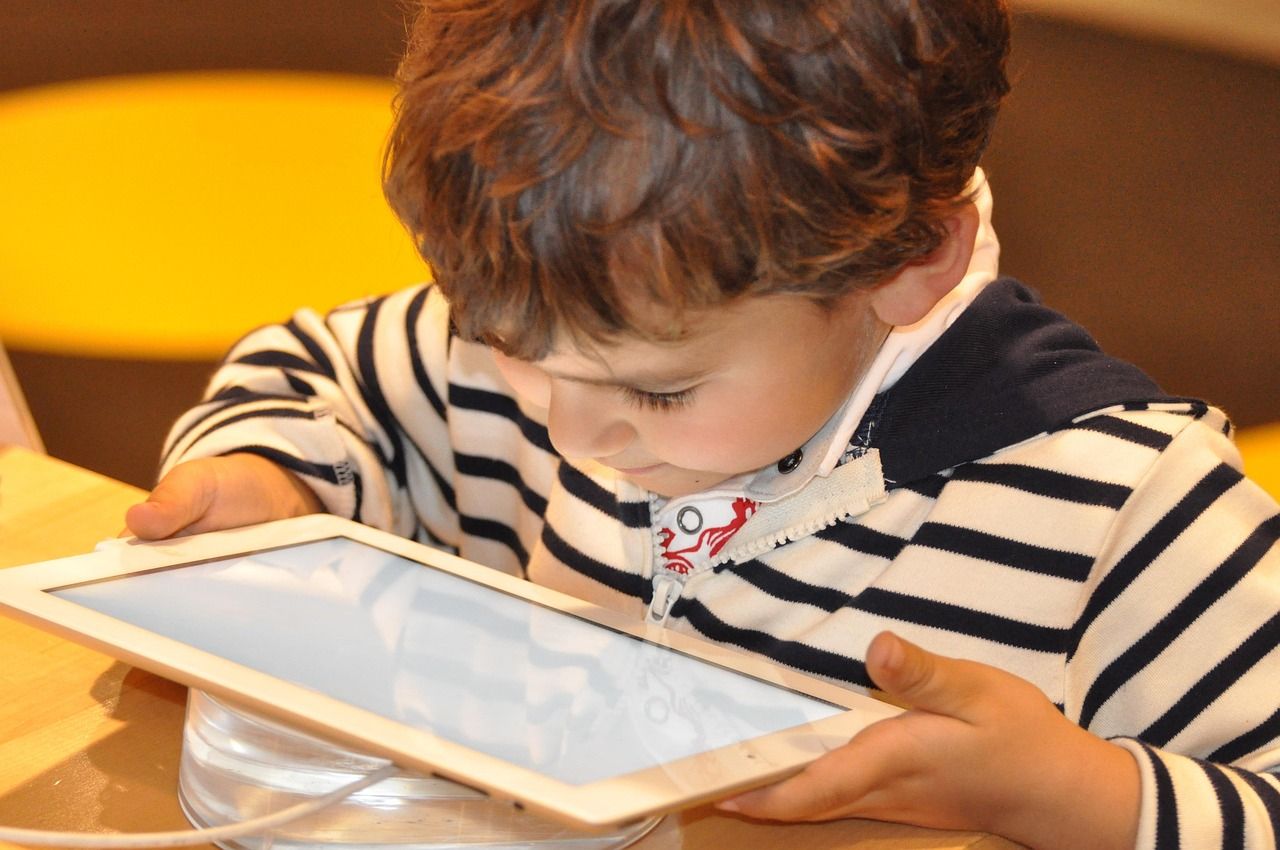
More screen time around the age of one, and again around the start of primary school, is linked to lower school results at age nine and weaker working memory at ten and a half, according to a study of 502 children in Singapore. The researchers stress it shows an association, not proof that screens cause the difference.
What did the study look at?
The children are part of GUSTO, a long-running birth cohort study in Singapore. Their parents reported how much time the children spent watching screens at six points between infancy and middle childhood. The researchers then compared that with the children’s academic performance at nine and their working memory, the ability to hold and use information for a short time, at around ten and a half.
What did they find?
- Higher screen time at age one had the strongest link with lower results later.
- Screen use at ages two and three showed no clear link.
- The link appeared again at age six, when formal schooling starts.
The authors suggest these may be sensitive periods, when the brain is especially busy learning through talk, play and hands-on exploration, and when time on screens may push those things out.
How worried should parents be?
Not panicked, but informed. The researchers are careful to say an extra hour a day may make little difference to any single child, even if it adds up across a whole population. Parents reported the screen time themselves, and the study cannot rule out other factors. It also did not measure what children were watching or whether adults watched with them, which other research suggests matters a lot.
For context, the World Health Organization and the American Academy of Pediatrics advise avoiding screens for the first 18 to 24 months, apart from things like video calls, and keeping it under an hour a day between two and five. Many young children go well past that.
Our take
The useful message here is about timing. Rather than treating all of childhood the same, it points to two moments, the first year and the first year of school, where protecting time for conversation and play may pay off most.

