

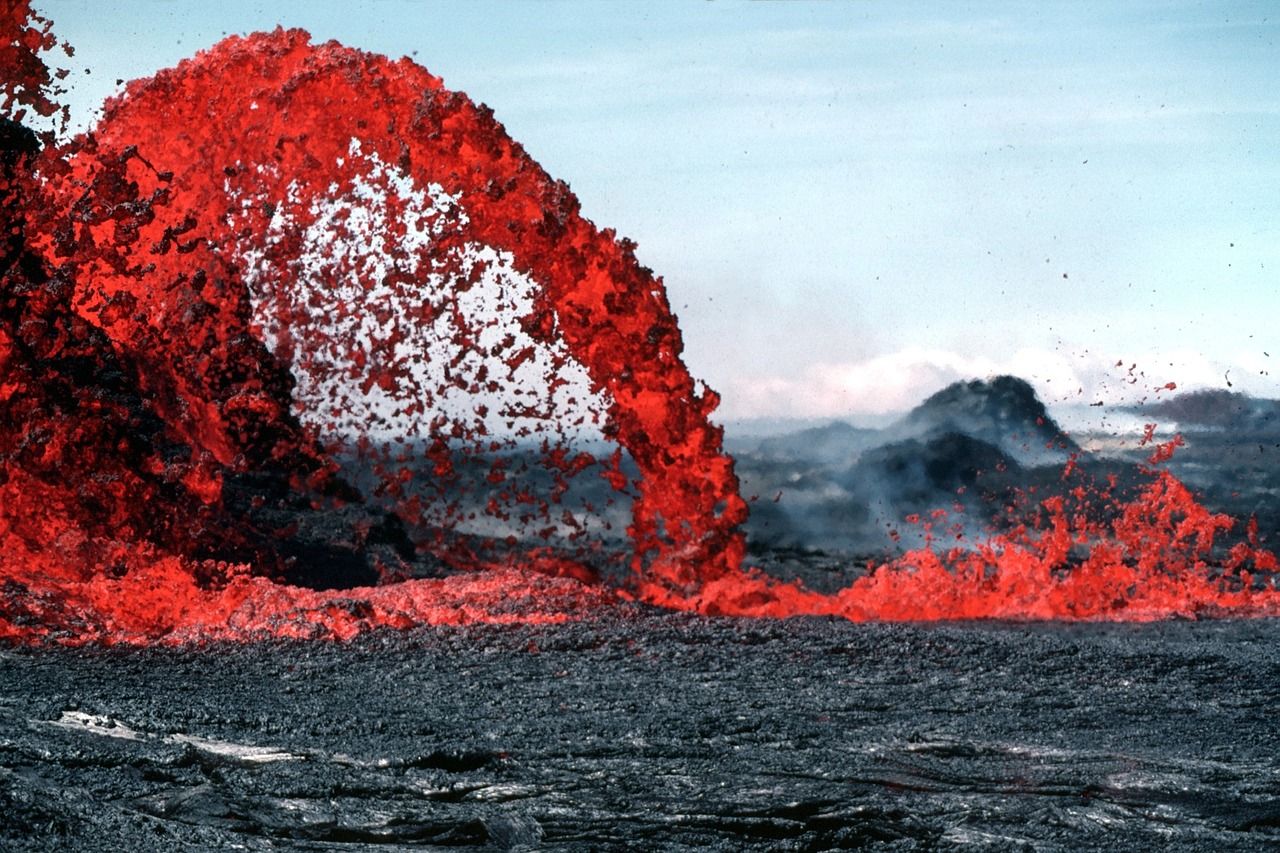
Carbon found in lava from Kīlauea in Hawaii may have come from Earth’s core, according to a study in the Proceedings of the National Academy of Sciences. If confirmed, it would mean material from the planet’s deepest layer is reaching the surface through volcanoes. The work was led by Yves Moussallam of Columbia University, with Yale University, the US Geological Survey and other partners.
What did the scientists measure?
The team studied tiny bubbles of melted rock trapped inside crystals, called melt inclusions. These keep their original gas. Samples from Hawaii’s Tantalus Rift had carbon that looked like normal mantle carbon. However, samples from Kīlauea had a much heavier carbon signature, which is rarely seen.
“We think that we found evidence of carbon from Earth’s core leaking.” Yves Moussallam, Columbia University
How could carbon escape Earth’s core?
The mantle is about 1,800 miles deep, and below it the liquid outer core is roughly 1,400 miles thick. The idea is that hot plumes of rock rise from the base of the mantle, picking up a little core material on the way. Then that material can erupt at hotspot volcanoes like Kīlauea.
Where did the carbon come from in the first place?
The heavy carbon looks like the carbon in carbonaceous chondrites, meteorites more than 4.5 billion years old. So the team suggests that carbon-rich meteorites hit the young Earth late in its formation, and some of that carbon sank into the core.
How sure are they?
- The authors say the core origin is likely but not yet definitive.
- They have not shown how much of the carbon came from meteorites.
- More samples from other hotspot volcanoes would help test the idea.
Our take
We can never visit Earth’s core, so clues like this one matter. It is a lovely link between a volcano you can see and the birth of the planet. For more about Earth’s deep history, read about the next ice age that warming may have stopped.

